Still to motion

Turn a still into motion with upsampler image to video

Upsampler image to video starts with a simple question: what should move, and what must stay the same? Use a clear source image and a short motion brief, then check the destination tool's available inputs before you commit to a result.

Check image upload options at destination
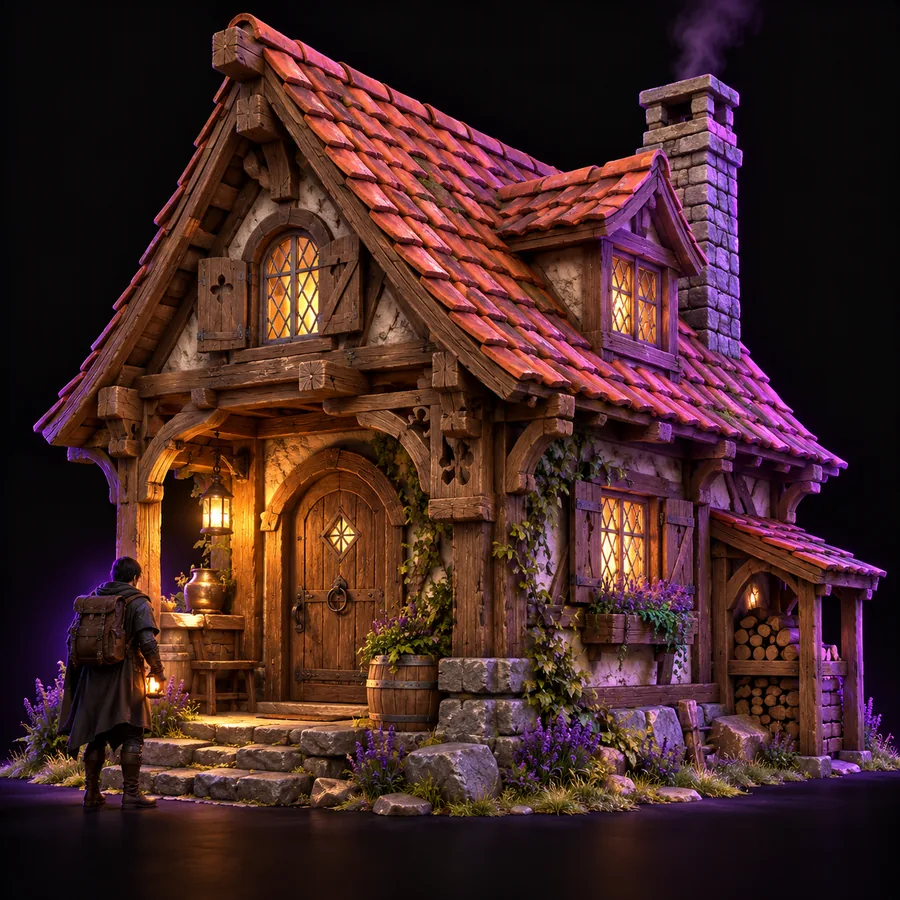
Upsampler landing artwork presented as a visual starting point
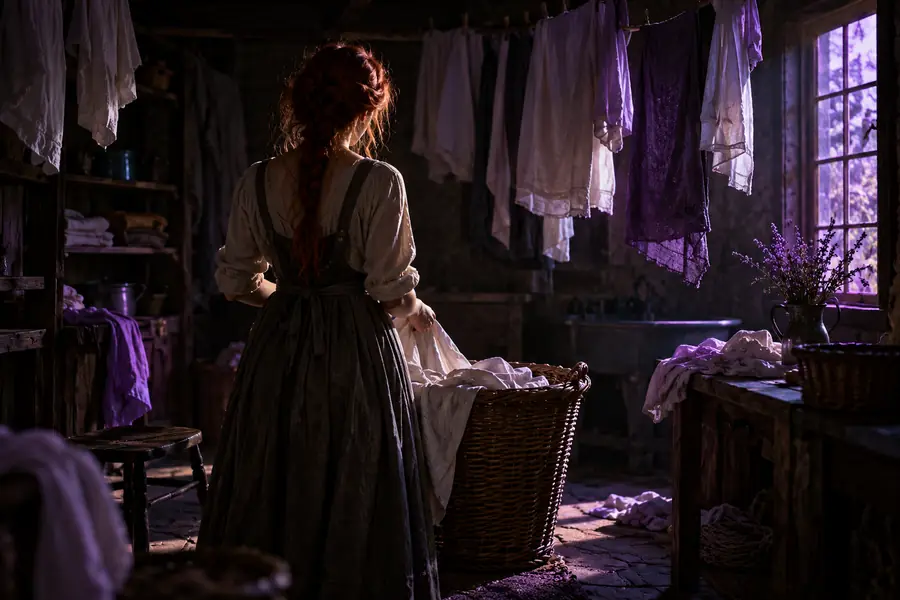
Laundry scene before a visual edit The same laundry scene after a visual edit

What this variant is

An image-to-video brief pairs a source frame with directions for movement over time. The still image supplies the visual reference; the brief describes the intended change.

  • Original frame
  • Edited frame

This slider compares two still frames, not a generated video. Use it to notice changes in framing and details that you would want to control across moving frames.

Why move from image to video

Motion can communicate atmosphere or action that a single frame leaves open. Decide whether you need subject movement, camera movement, or both before writing a brief.

Portrait maker

A finished character portrait needs a subtle head turn without changing its identity.

Keep the face and outfit as fixed reference points; request only a small, readable movement. For a different kind of conversion, upsampler image to 3d explores turning a still into a spatial concept.

upsampler image to 3d
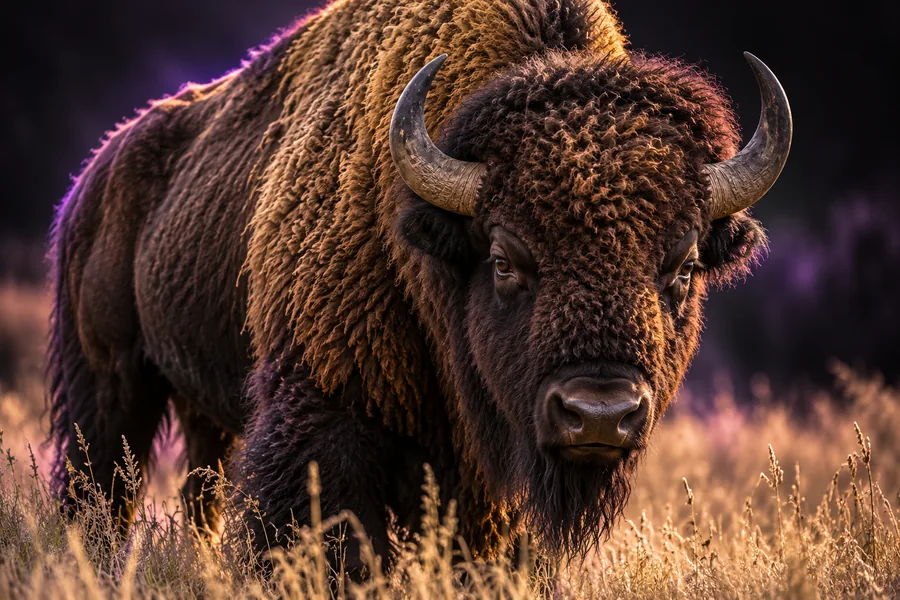
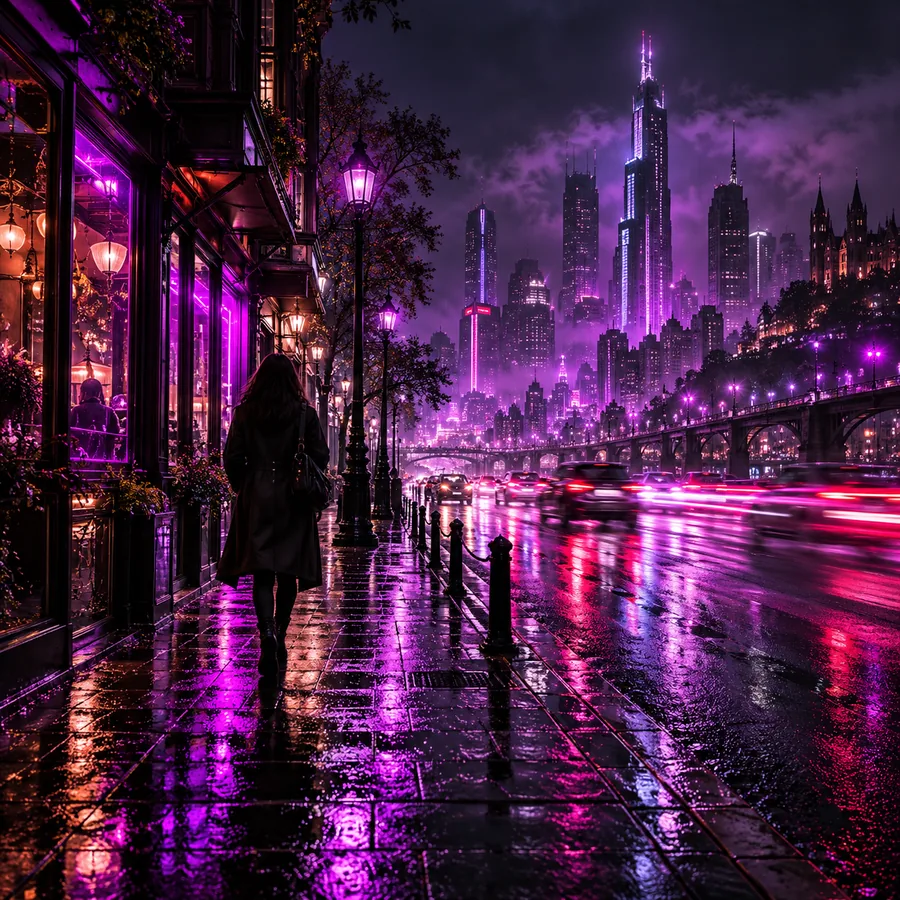
Product storyteller

A product photograph needs a slow camera move for a presentation.

Describe the camera path separately from the object, and inspect edges for warping. Unlike motion, upsampler image to 3d focuses on reasoning about depth and views around the subject.

upsampler image to 3d

Scene designer

A landscape illustration needs drifting clouds while its buildings remain still.

Name the moving region and explicitly protect the architecture. If the goal is a navigable object rather than a clip, upsampler image to 3d covers that separate input-to-output question.

upsampler image to 3d

The tool block

Use this planning table to separate what the still contributes from what your motion brief must specify. It describes the workflow, not guaranteed controls or formats at the destination.

Source image Motion brief
1

Subject

Source image

Shows who or what appears.

Motion brief

Names the subject that should move.

2

Composition

Source image

Sets the initial framing.

Motion brief

States whether framing should stay locked or shift.

3

Background

Source image

Provides scenery and visible objects.

Motion brief

Identifies what must remain stationary.

4

Action

Source image

May imply a possible next moment.

Motion brief

Describes the intended action explicitly.

5

Camera

Source image

Provides a starting viewpoint.

Motion brief

Requests a pan, push-in, or static view.

6

Consistency

Source image

Provides visible details to preserve.

Motion brief

Calls out details to check across frames.

Spec table: example motion briefs

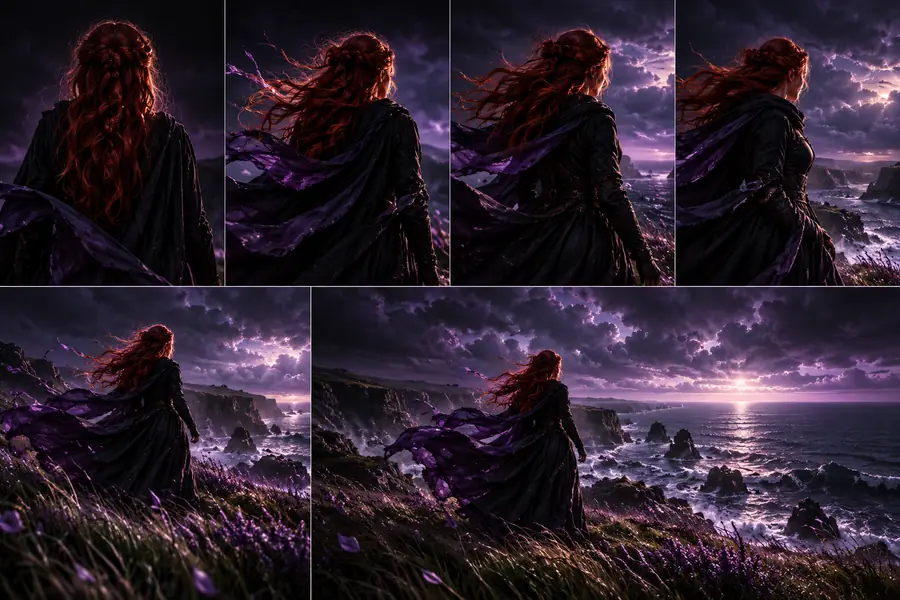
These are still reference images with suggested inputs, not previews of generated clips. A useful image-to-video brief specifies one principal movement and at least one detail to preserve.

  • First still reference image for a proposed motion brief Camera motion
    Input: reference image 01. Brief: introduce a gentle camera push-in while preserving the main subject's shape. Suggested input, not a video result
  • Second still reference image for a proposed motion brief Subject motion
    Input: reference image 02. Brief: add restrained movement to the main subject; keep the surrounding composition stable. Suggested input, not a video result
  • Third still reference image for a proposed motion brief Scene detail
    Input: reference image 03. Brief: animate only secondary scene details and leave the focal subject unchanged. Suggested input, not a video result

Prepare the conversion

Choose a readable still

Start with a source image whose subject and edges are easy to distinguish. Avoid asking motion to reveal important details hidden outside the frame.

Write one clear movement

Describe the subject action or camera path, then name what should stay fixed. At the destination, confirm that its current workflow accepts your intended image and brief.

Review the result

If a clip is produced, watch it through rather than judging one frame. Check identity, object edges, background stability, and whether the motion follows your request.

Where a still falls short

Hidden views are not supplied

A single photograph does not reveal the back of a person or object. Motion that exposes it may require invented detail.

WorkaroundKeep camera movement modest or provide more visual references if the destination supports them.

A prompt cannot guarantee continuity

Faces, text, and fine patterns may shift between frames even when the brief asks them to stay consistent.

WorkaroundInspect the full result and simplify the requested motion if key details drift.

This page does not verify tool capabilities

Available uploads, video settings, output formats, and access terms depend on the destination's current interface.

WorkaroundCheck those options there before preparing a production workflow.

Take your motion brief forward

Explore a still-to-motion workflow

Bring a clear source image and a brief that distinguishes moving elements from fixed ones. Check the destination's available options, then evaluate any result for visual consistency.

  • Name one principal movement
  • Protect recognizable details
  • Review the entire result

Variant FAQ

It refers to a workflow that uses a still image as the starting visual reference for a moving result. The requested movement needs its own description; the image alone cannot specify exactly what should happen next.

Choose a clear image with a recognizable subject and an uncluttered composition. If important features are hidden or blurred, a motion result may have to invent them.

You can describe either, but start with one main movement so the instruction is easy to assess. State which parts of the image should remain unchanged.

No. A brief communicates intent, but the destination's capabilities and the resulting frames still need to be checked. Look for changes to faces, text, edges, and background objects throughout the clip.

Start creating
Start creating